The agricultural film sector evolves through material science and direct feedback from growing operations. We at HGDN observe these developments as responses to specific challenges in durability, light management, and lifecycle management. The following points outline significant directions in product formulation that a greenhouse film supplier may now prioritize, reflecting broader shifts in production priorities.
Enhanced Durability Through Multi-Layer Polymer Engineering
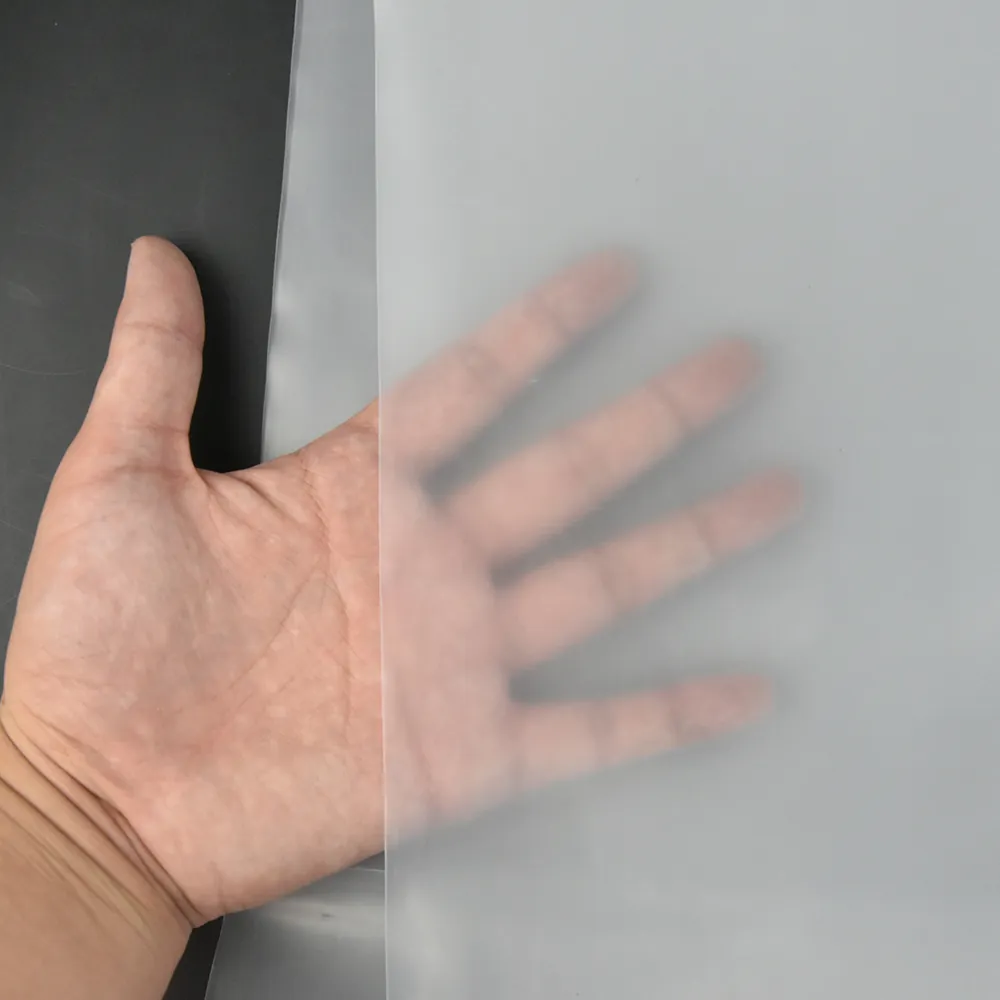
A central focus remains on extending functional service life without sacrificing optical properties. Advanced co-extrusion techniques allow for the creation of films with specialized layers. An outer layer may be formulated for maximum resistance to ultraviolet degradation, while an inner layer is designed for high tensile strength and tear resistance. This approach addresses the need for films that withstand prolonged exposure to solar radiation and physical stress, a requirement for operations seeking a reliable wholesale greenhouse film investment. The objective is a product that maintains its structural and climatic integrity across multiple growing cycles.
Precision Light Spectrum Modification for Crop Physiology
Film functionality is moving beyond simple transparency or opacity. Developments include precise additives that filter or transform specific light wavelengths. Some films are engineered to diffuse light more effectively, reducing shadowing and promoting more uniform plant growth. Others may selectively block certain ultraviolet or far-red spectra to influence plant morphology, such as stem elongation, or to manage specific pest interactions. This trend signifies a shift from a passive covering to an active tool for crop management, where the selection of a greenhouse film for sale is increasingly based on targeted physiological outcomes.
Material Innovation Focused on End-of-Life Recovery
The industry is examining the complete lifecycle of its products. This has accelerated work in several areas: developing high-performance films using a greater percentage of recycled polymers, creating monolithic polymer structures that are more easily recyclable, and refining biodegradable formulations for specific applications where soil incorporation is viable. For a greenhouse film supplier, this means offering a portfolio that addresses varying disposal infrastructures and sustainability goals. It represents a systems-based approach, where the initial performance is balanced with clear downstream recovery or processing pathways.
These formulation trends indicate an industry aligning with more precise and responsible production models. The value of a film is increasingly measured by its specific functional contributions and its integration into a managed material flow. For HGDN, providing advanced wholesale greenhouse film options means engaging with these technical parameters. Our role as a greenhouse film supplier involves matching these evolving material capabilities—whether a specialized greenhouse film for sale for light management or one designed for recyclability—to the documented needs of modern growing operations, supporting both crop performance and operational stewardship.