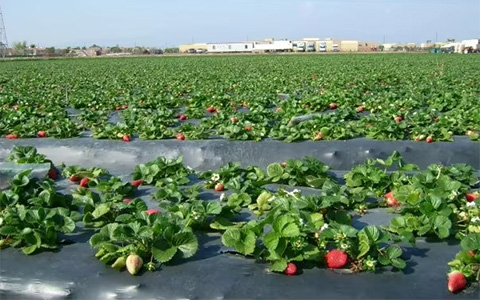
The choice of ground cover has a direct impact on soil quality and plant productivity. Agricultural mulch film color is important because it determines how the film interacts with sun energy. As a provider of technical greenhouse films, HGDN understands that researching individual crop needs and desired thermal consequences is essential when deciding between black and white mulch. You can use this comparison to choose the right one for your system, which might involve buildings covered in transparent greenhouse plastic, by looking at their functional characteristics.
Thermal Dynamics: Absorption Versus Reflection
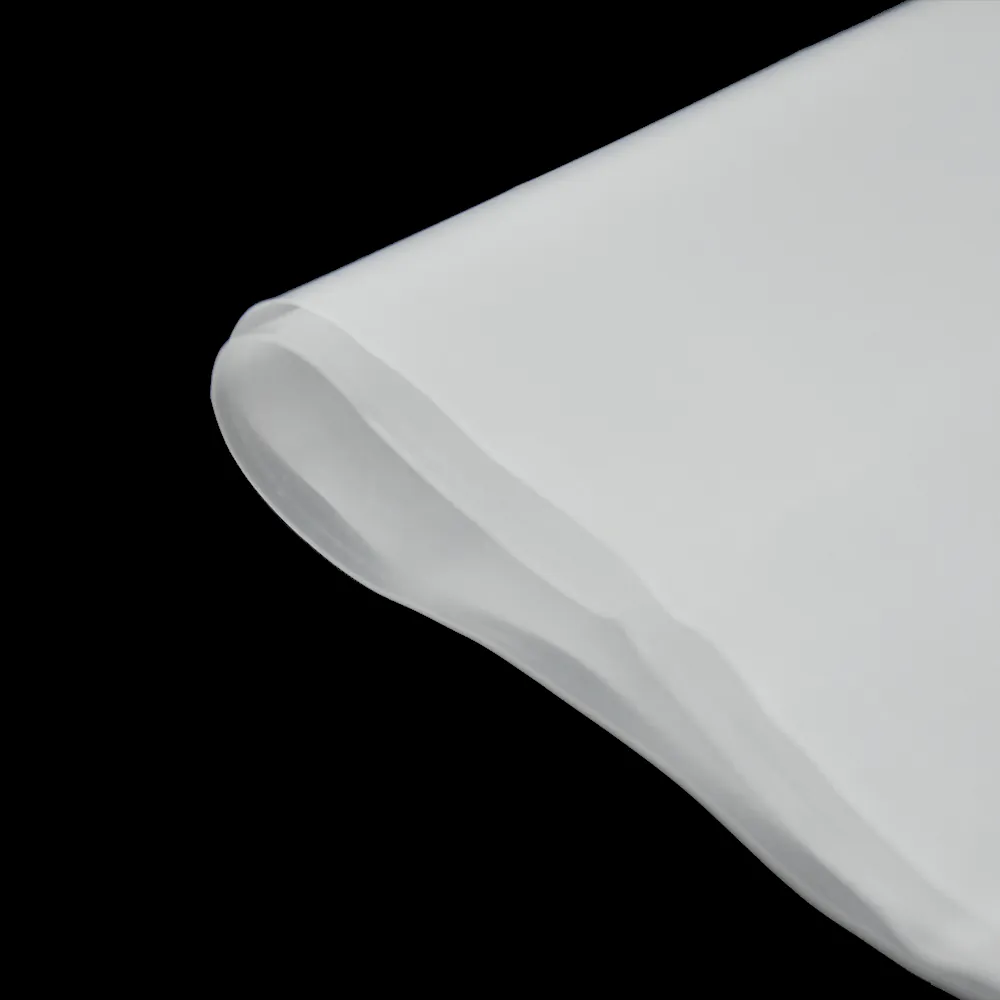
The core distinction lies in how each film manages solar radiation. Black agricultural mulch film absorbs a high percentage of incoming sunlight, converting this energy into heat that warms the soil beneath. This makes it a functional tool for early season planting, as it can elevate root zone temperatures to accelerate seed germination and early growth for heat-loving crops. In contrast, white film is designed to reflect a significant portion of solar energy. This reflective quality helps moderate soil temperature, preventing excessive heat buildup. In high-temperature climates or for cool-season crops, white film maintains a cooler, more stable root environment, reducing heat-related stress on developing plants.
Light Transmission and Weed Suppression Efficacy
Beyond temperature, color dictates the greenhouse plastic film‘s relationship with light and its subsequent effect on weed growth. Standard black film is opaque, completely blocking photosynthetically active radiation from reaching the soil surface. This creates a highly effective physical barrier against weed germination and establishment. White film, while reflective, can vary in opacity. Some white films allow a degree of light transmission, which may permit limited weed growth beneath. However, the primary weed-suppression mechanism of white film is often the cooling of the soil surface, which can inhibit the germination of many common weed species that require warmer soil. The choice here balances absolute light blockage with desired thermal moderation.
Integrating Mulch Color with Overall Greenhouse Strategy
The selection of a mulch color should align with the broader environmental management goals of a cultivation operation. For instance, in a structure utilizing clear greenhouse plastic sheeting to maximize light penetration, a white mulch film could be deployed to reflect additional light back onto plant canopies, potentially improving photosynthesis for lower leaves. Conversely, in the same structure, a black film would absorb light at the soil level to drive soil warming. As a greenhouse film supplier, we see the decision as part of a cohesive plan. The ground cover and the overhead greenhouse sheet work in concert; the mulch manages the soil climate, while the overhead clear greenhouse plastic sheeting manages the aerial climate, together creating a fully engineered environment.
The decision between black and white mulch film hinges on specific agronomic targets for soil temperature and light management. Black films serve to warm soil and suppress weeds through opacity, while white films aim to cool soil and may reflect light. There is no universal solution, only the most appropriate tool for defined crop needs and seasonal conditions. For operations seeking to synchronize their ground cover with high-performance cladding, partnering with a knowledgeable greenhouse film supplier is essential. At HGDN, we provide the material options—from specific agricultural mulch film to durable greenhouse sheet products—that allow growers to implement these precise environmental strategies effectively.