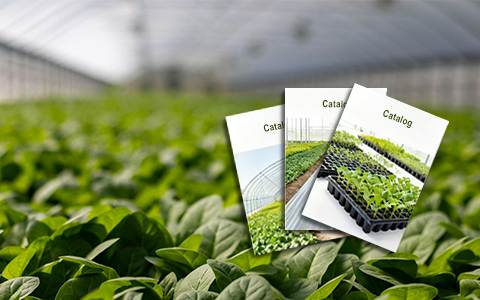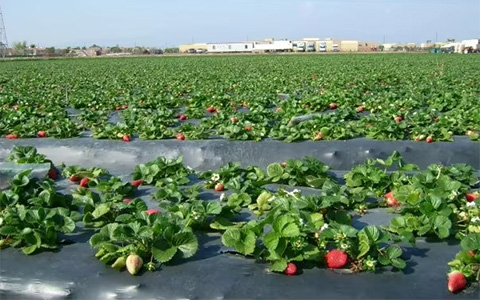
Operational efficiency in commercial propagation begins with the foundational choices made before a single seed is sown. Selecting the appropriate seedling tray is a critical decision that influences root health, workflow, and ultimately, transplant success. At HGDN, we view tray selection as integral to a systematic approach in greenhouse cultivation. This guide examines two primary selection factors—material composition and cell count—and their practical implications within a large scale greenhouse farming operation.

Evaluating Material Durability and Long-Term Function
The construction material of a tray dictates its lifespan and performance under repeated use. Common options include polypropylene, polystyrene, and PVC. For operations focused on sustainability and cost-efficiency, the durability of the material is paramount. A robust tray must withstand frequent handling, chemical exposure from sanitizers, and mechanical stress during filling and transplanting. This durability mirrors the performance expected from other infrastructure, such as uv resistant greenhouse plastic sheeting, where material integrity under solar exposure is non-negotiable. The choice directly affects long-term operational costs, as a more durable tray, like a reliable film, requires fewer replacements over time.
Analyzing Cell Count and Its Impact on Plant Development
The number of cells per tray is a variable that determines the growing space allocated to each seedling. Higher cell counts, such as 288 or 200, produce smaller plug plants suitable for short-term propagation or specific crops. Lower counts, like 72 or 50, provide greater soil volume per plant, supporting longer growth cycles and more developed root systems. The correct selection balances space efficiency with the physiological needs of the crop. In large scale greenhouse farming, this calculation affects everything from bench space utilization to irrigation scheduling. A poorly matched cell count can lead to root binding or under-utilized space, hindering the efficiency of the entire greenhouse cultivation process.
Integrating Tray Systems with Broader Greenhouse Infrastructure
A seedling tray does not function in isolation. Its performance is interconnected with the wider greenhouse environment and systems. For example, tray geometry affects water drainage and must be compatible with automated filling and seeding lines. Furthermore, the trays will sit under the diffused light and controlled climate provided by uv resistant greenhouse plastic sheeting. The tray material should not degrade under the same UV exposure that the overhead film is engineered to resist. This synergy between ground-level hardware and cladding material is essential for creating a uniform production environment. Successful greenhouse cultivation relies on all components, from tray to covering, performing their specific function in harmony.
The selection of seedling trays based on material and cell count is a technical decision with cascading effects on plant health and operational logistics. The optimal choice aligns the physical properties of the tray with the biological requirements of the crop and the mechanical systems in place. For businesses engaged in large scale greenhouse farming, these selections form part of the critical infrastructure, much like specifying the correct uv resistant greenhouse plastic sheeting for climate control. At HGDN, our perspective is rooted in the integration of these components, supporting growers in building coherent and efficient systems for professional greenhouse cultivation.