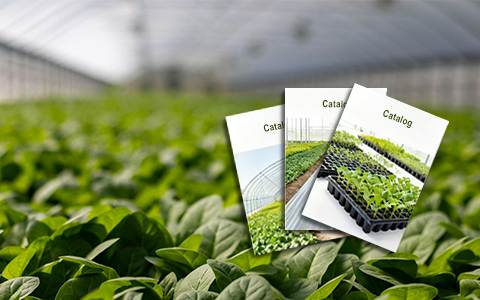
Evaluating propagation tools requires a balanced view of their operational benefits and practical limitations. For nurseries engaged in commercial greenhouse farming, the choice of seedling pots is a fundamental decision impacting workflow, plant health, and cost structure. At HGDN, we assess these containers within the complete system, acknowledging that their performance is often interlinked with other elements, such as the quality of uv resistant greenhouse plastic sheeting overhead. This review outlines the distinct advantages and constraints inherent to using dedicated seedling pots.
Advantages in Root Zone Management and Efficiency
The primary benefit of professional seedling pots is their engineered design for superior root zone control. Pots with structured sidewalls and bases promote air pruning, which prevents roots from circling and creates a denser, more fibrous root ball. This leads to significantly reduced transplant shock, a critical factor for maintaining consistent growth schedules. From an efficiency standpoint, uniform pot sizes streamline workspace organization. They integrate seamlessly with automated filling, planting, and watering systems, directly supporting the scalable needs of greenhouse cultivation. This standardization, from the propagation bench to the shipping cart, reduces labor time and minimizes handling errors during critical growth phases.
Limitations in Cost and Environmental Consideration
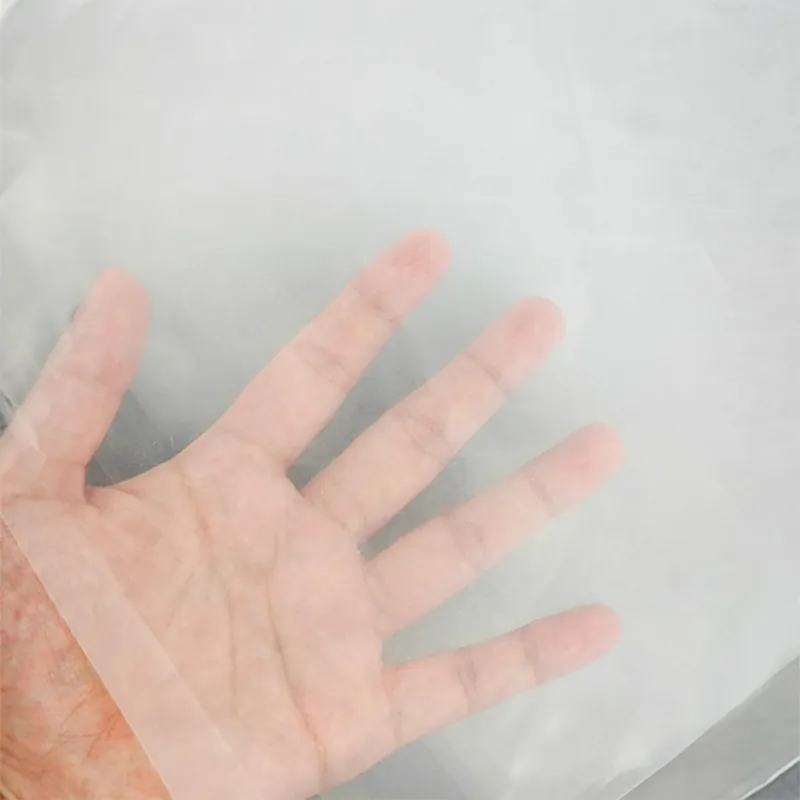
Conversely, the initial procurement of durable, reusable pots represents a tangible capital expenditure. While long-lasting, managing an inventory of pots requires dedicated space for storage, cleaning, and sanitization between uses—a process that adds labor and operational complexity. Furthermore, the industry faces increasing scrutiny regarding plastic use. Even durable pots have a finite lifecycle, and their eventual disposal or recycling presents an environmental and logistical challenge. This consideration is part of a larger material conversation in protected agriculture, mirroring discussions around the long-term value and disposal of uv resistant greenhouse plastic sheeting. The responsible management of both inputs is a growing priority for modern operations.
System Integration and Crop-Specific Suitability
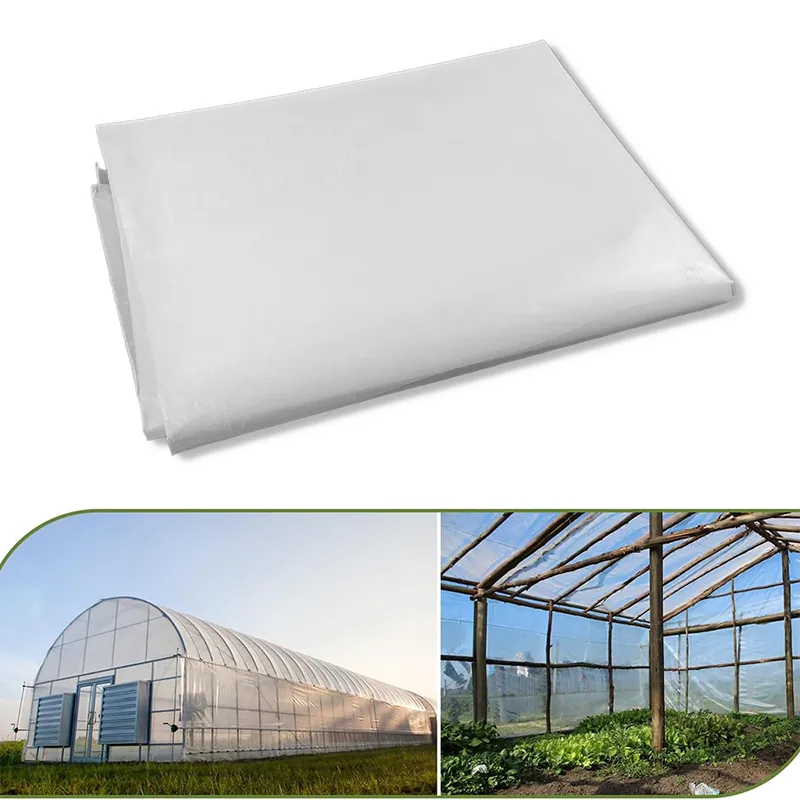
The effectiveness of a seedling pot cannot be isolated from its environment. Its performance is amplified under a stable climate, which is why pairing it with high-grade uv resistant greenhouse plastic sheeting is so effective. The sheeting moderates temperature and light, while the pot manages root moisture and air. However, this method is not universally optimal for all species. Some plants, particularly large-seeded crops or those with delicate taproots, may achieve better early development when sown directly into deep cells or specialized blocks. For many growers in commercial greenhouse farming, the pot system is ideal, but its adoption should follow a crop-by-crop analysis rather than a blanket application.
Seedling pots offer nurseries a reliable method to enhance root quality and operational predictability, key components in professional greenhouse cultivation. Their advantages in producing transplant-ready plants are substantial, yet they are accompanied by real factors of cost, labor, and material lifecycle management. At HGDN, we believe the decision hinges on aligning the pot’s characteristics with specific production goals and crop requirements. A thorough review of these pros and cons allows growers to implement this tool strategically, ensuring it contributes positively to both plant vitality and business efficiency.