When evaluating tools for crop production, a clear-eyed assessment of advantages and limitations is necessary for operational planning. At HGDN, with our focus on protective agricultural materials, we understand that plastic mulch film is a significant investment with distinct impacts. This review outlines the practical benefits and acknowledged challenges of this agricultural mulch film, providing a balanced perspective to inform procurement decisions.
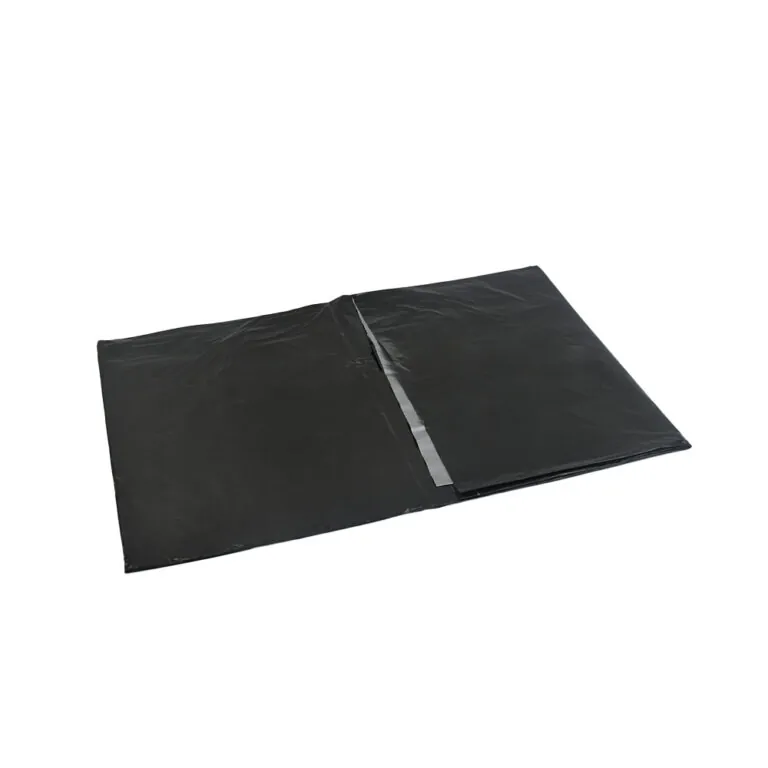
Documented Agronomic Advantages in Field Application
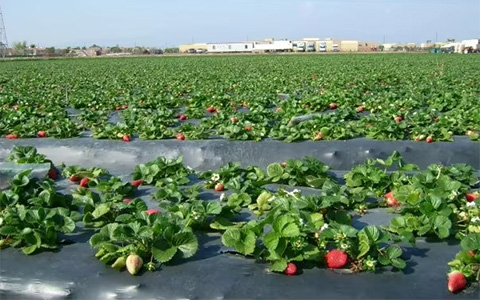
The adoption of plastic mulch film is driven by several consistent, positive effects on the growing environment. First, it acts as a physical barrier, suppressing weed emergence and competition, which reduces labor for manual weeding and lowers herbicide reliance. Second, it modifies soil temperature. Dark films absorb solar heat, warming the root zone earlier in the season, which can accelerate germination and plant establishment for many crops. Third, it serves as a moisture barrier, reducing direct evaporation from the soil surface. This conserves irrigation water and maintains more uniform soil humidity. These factors together often contribute to improved crop vigor and more predictable harvest timing.
Environmental and Logistical Considerations
Conversely, the use of conventional agricultural mulch film presents post-harvest challenges that require management. The primary concern is disposal. Thin, contaminated films can be difficult and costly to recycle, leading to potential landfill use or improper handling. Degradation over time can also lead to fragmenting, raising concerns about microplastic accumulation in soils. From a logistical view, the installation and precise removal of the film add steps to the production cycle. Furthermore, while it conserves soil moisture, it also prevents rainwater ingress, making irrigation system design and management crucial.
Evaluating Responsible Use and Material Selection
Addressing these cons involves conscious product selection and end-of-life planning. At HGDN, we approach this by developing films with enhanced durability to allow for potential multi-season use where applicable, reducing the total volume of waste generated per crop cycle. We also advocate for and supply dedicated greenhouse sheeting collection programs to facilitate proper recycling channels after use. For operations where disposal is a critical issue, the industry is evolving towards biodegradable or photodegradable formulations, though their performance and cost parameters must be carefully matched to specific crop and soil conditions. In many integrated operations, this greenhouse sheeting strategy for covered structures works in tandem with ground-level mulch practices.
A comprehensive review confirms that plastic mulch film is a powerful yet imperfect tool. Its pros—weed suppression, soil temperature modulation, and moisture conservation—offer tangible production benefits. Its cons—centered on disposal, potential environmental persistence, and added operational steps—are real and demand responsible management. The decision to use it hinges on weighing these factors within a specific farm system. For us at HGDN, providing durable, purpose-engineered agricultural mulch film and clear guidance on its lifecycle is part of our commitment to practical, considered agricultural solutions.