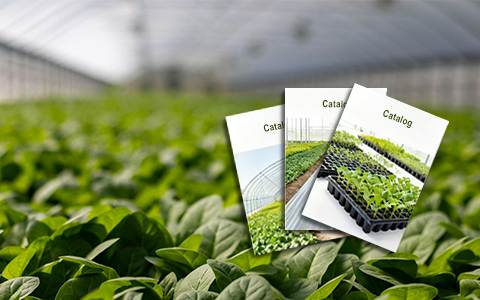
For commercial growers, the selection of cladding material is a critical operational decision. At HGDN, we have dedicated over a decade to refining the science behind plastic greenhouse film. Our experience confirms that high-performance films are defined by specific engineered features that directly translate into measurable field benefits, moving beyond basic coverage to become an active growth management tool. This article details the core characteristics that distinguish professional-grade plastic greenhouse film and their practical impact on cultivation outcomes.
Engineered Longevity Through Advanced UV Stabilization
A primary point of failure for standard films is photodegradation caused by solar ultraviolet radiation. We address this by manufacturing our greenhouse sheeting with premium metallocene resins and integrating high-performance UV stabilizers during our multi-layer co-extrusion process. This creates a molecular barrier that significantly slows the breakdown of the polymer chain. The result is a film that maintains its structural and optical integrity for extended seasons, reducing replacement frequency and ensuring a consistent growing environment. This focus on material science provides a reliable foundation for all other functional benefits.
Optical Clarity and Condensation Management for Crop Health
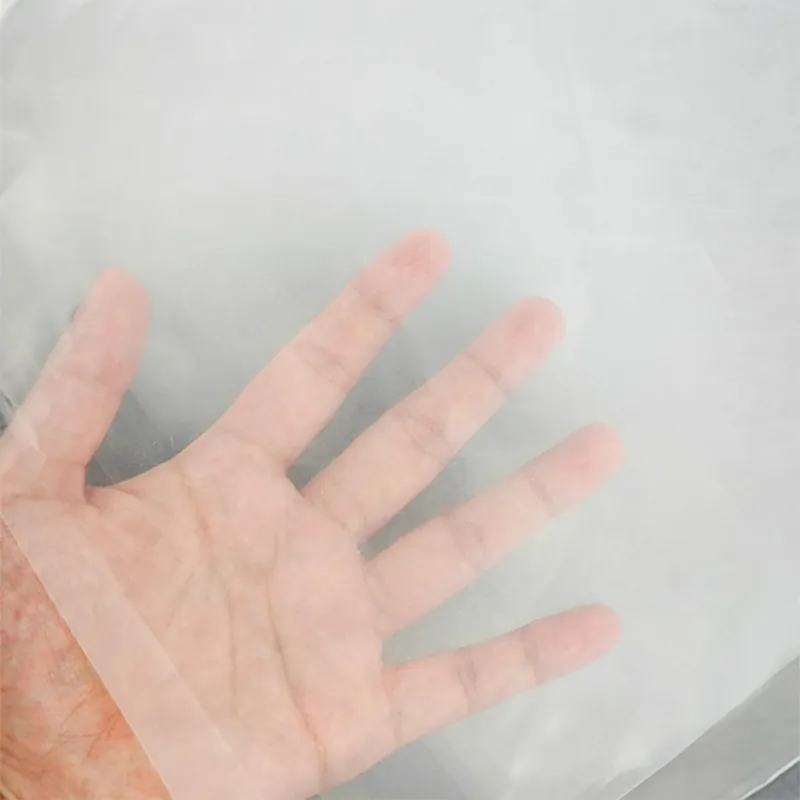
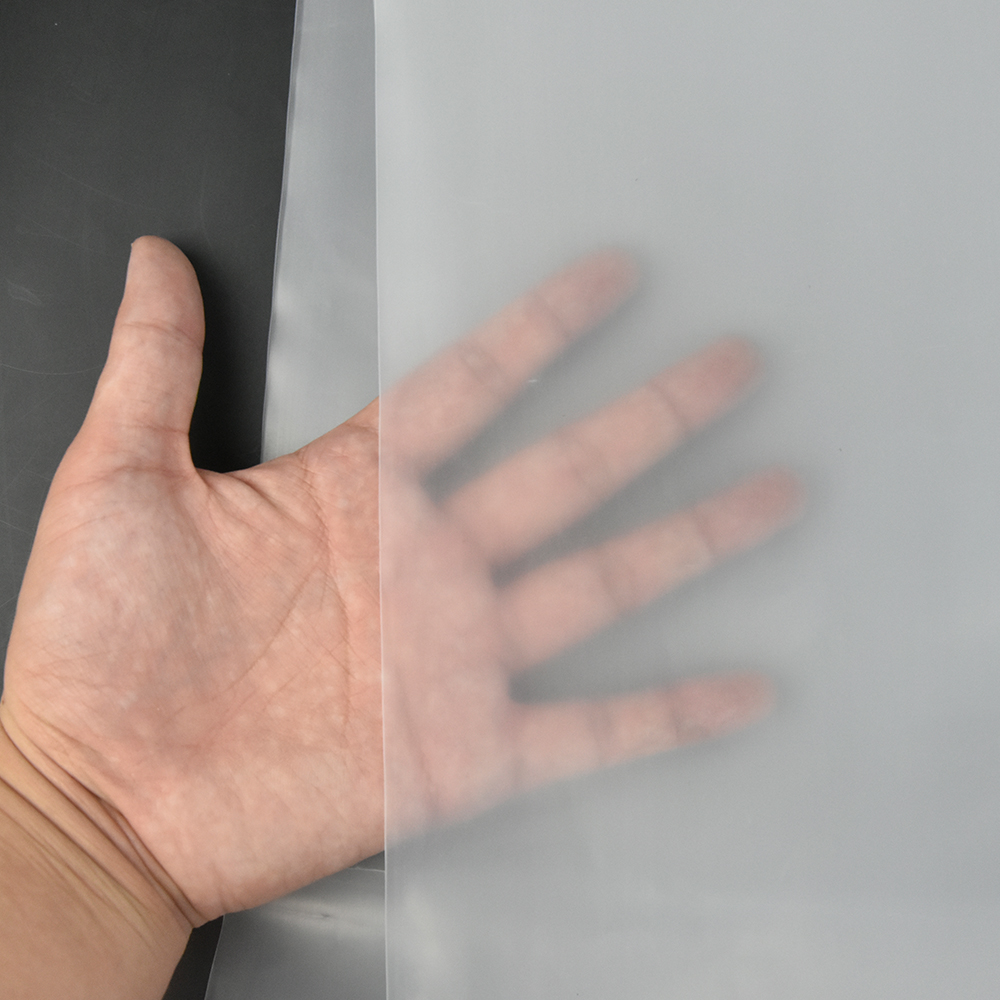
Light is the fundamental energy source for plant growth. Our films are engineered to achieve over 90% visible light transmission, promoting efficient photosynthesis which can influence harvest schedules and yield potential. However, light transmission alone is insufficient. Condensation that forms into large droplets on the interior surface reduces light diffusion and creates conditions favorable for fungal and bacterial pathogens. Our solution involves a permanent anti-drip coating that causes moisture to spread into a uniform thin layer. This minimizes shade spots and, more critically, helps lower the incidence of moisture-related plant diseases by keeping foliage drier.
Structural Integrity and Thermal Performance Properties
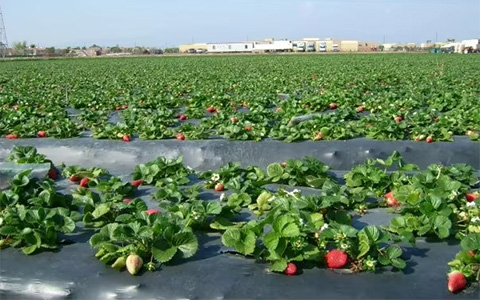
The physical demands on agricultural mulch film and greenhouse covers are substantial. Our products are designed with exceptional tensile and puncture resistance to handle wind stress, incidental impact, and weight from snow or hail. This durability protects the investment within the structure. Furthermore, the multi-layer construction allows for the inclusion of specialized infrared (IR) blocking layers. These layers trap heat radiated from the soil and plants during the night, moderating the temperature drop. This improved thermal buffer supports more stable root-zone temperatures and can contribute to reduced energy costs for supplemental heating in cooler climates.
In summary, professional plastic greenhouse film represents a fusion of material innovation and agronomic understanding. From extended durability via UV protection and the disease mitigation offered by anti-drip surfaces, to the growth advantages of high light transmission and thermal regulation, each feature addresses a documented grower challenge. At HGDN, our greenhouse sheeting is developed through this technical lens, providing a controlled environment where agricultural mulch film and cover solutions work as integral components for predictable, high-quality production.