Managing soil moisture levels presents a constant challenge in cultivation, directly influencing plant vigor, nutrient uptake, and irrigation costs. Employing mulch film as a soil cover creates a physical barrier that addresses the primary cause of water loss: surface evaporation. At HGDN, we approach this not as a standalone product, but as an integral component of a controlled environment system. The principles of moisture conservation at the root zone share a functional synergy with the climate management provided by an overhead greenhouse sheet. This article details a methodical process for deploying mulch film to optimize soil hydration.

Preparing the Bed and Securing the Seal
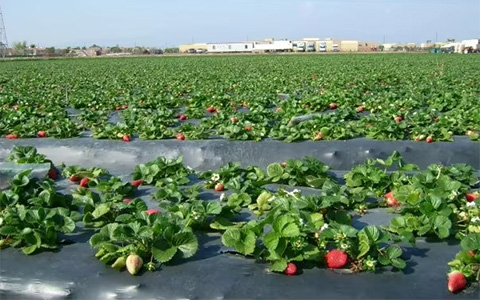
Effective water retention begins with immaculate installation. A smooth, firm planting bed free of clods and debris allows the film to lay completely flat against the soil profile. Any air pockets or gaps become channels for moisture to escape. The film edges must be fully anchored, typically trenched into the soil, to eliminate wind flutter and edge-lift that breaks the microclimate seal. This meticulous attention to securing a sealed environment is comparable to installing clear greenhouse plastic sheeting; both require precision to form an uninterrupted barrier that contains humidity and stabilizes internal conditions.
Aligning Film Properties with Hydration Goals
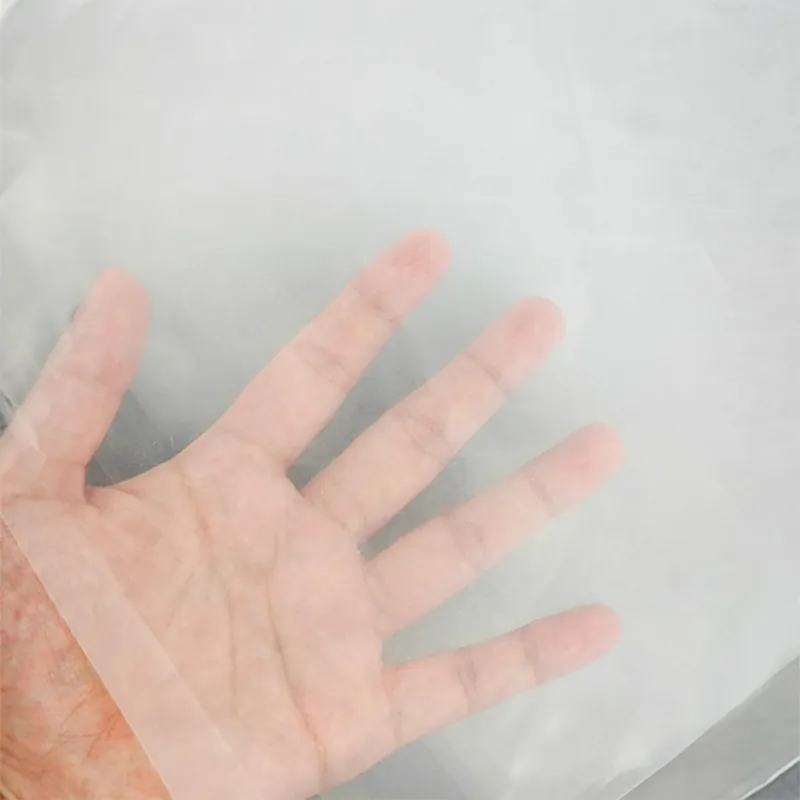
Film selection moves beyond simple color choice. For water retention, the film’s thickness and permeability are primary factors. A thicker gauge provides greater durability and a more consistent barrier. Some films are engineered with specific light-diffusing or infrared-blocking properties that moderate soil temperature, which in turn regulates evaporation rates from the soil surface. Consulting a technical greenhouse film supplier is necessary to identify films designed for hydrological efficiency. Their expertise can match film properties to your specific climate, much as they would when specifying a clear greenhouse plastic sheeting for light and heat management in a structure.
Integrating with Sub-Surface Irrigation and Monitoring
A mulch film’s purpose is to preserve applied water, not to act as the water source. Its function is maximized when paired with a direct, sub-surface delivery system like drip irrigation tubing placed beneath the film. This method supplies water directly to the root zone, and the film then prevents its loss. Effective use requires adjusting irrigation schedules, as the covered soil will retain moisture longer. This integrated system works in concert with the broader climate. A greenhouse sheet above manages aerial humidity and solar load, while the mulch film below locks in soil moisture. Partnering with a knowledgeable greenhouse film supplier ensures both layers are compatible and work towards the singular goal of resource efficiency.
Utilizing mulch film for superior water retention is a systematic practice grounded in proper installation, informed material science, and holistic system integration. When executed correctly, it transforms from a simple ground cover into a active tool for hydrological control. At HGDN, we consider this approach part of a comprehensive strategy for cultivation efficiency. The techniques that conserve soil moisture under mulch align with the environmental principles applied when selecting a greenhouse sheet, together creating a stable and productive growth environment from the soil up.