Selecting the right ground cover is a critical agronomic decision that directly influences soil health, crop yield, and resource efficiency. The choice of an agricultural mulch film is not a one-size-fits-all matter; it requires a methodical assessment of material properties, environmental conditions, and specific crop physiology. At HGDN, we work with growers to analyze these variables, ensuring the plastic greenhouse film or mulch specified delivers targeted results. This process moves beyond simple coverage to become a core component of a crop management strategy.
Evaluating Material Composition and Durability
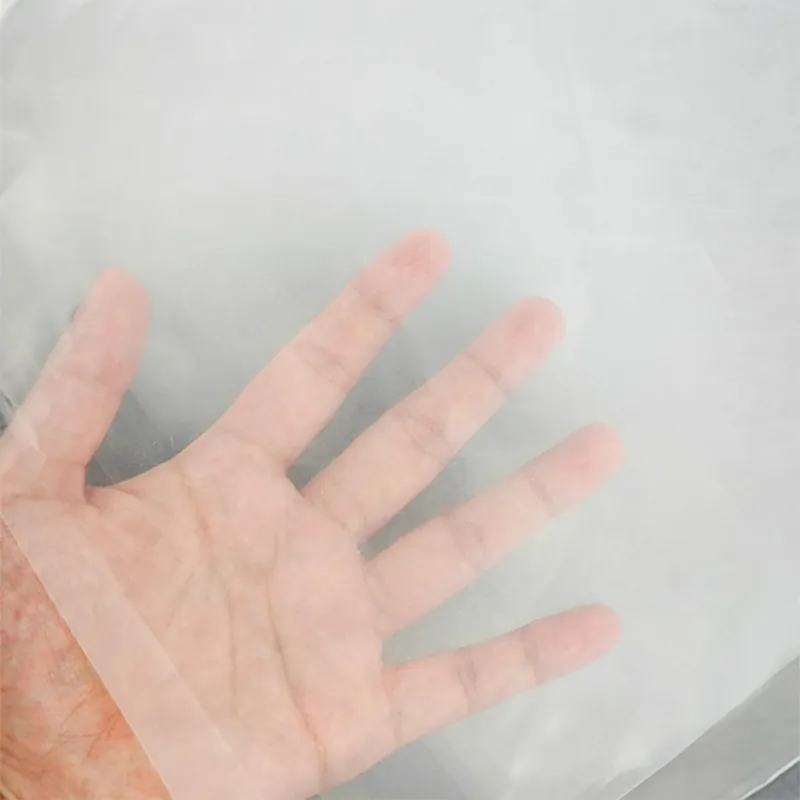
The foundational step involves understanding the different polymers and their performance characteristics. Common materials include polyethylene in various densities, photodegradable or biodegradable polymers, and specialized copolymer blends. Each type offers a distinct profile regarding tensile strength, tear resistance, and lifespan. For instance, a film intended for a long-season crop must maintain its integrity far longer than one used for a quick spring radish harvest. We consider how the durability of the greenhouse sheeting for overhead structures relates to the demands on mulch film, focusing on thickness (often measured in mils or microns) and stabilization additives that protect against ultraviolet degradation. This technical analysis prevents premature film failure and ensures cost-effectiveness over the growing cycle.
Analyzing Environmental and Climatic Factors
Local climate exerts a profound influence on film performance. Solar radiation intensity, average temperatures, wind patterns, and precipitation all dictate the optimal film selection. In regions with high solar exposure, a film with specific infrared-blocking or light-reflective properties can manage soil temperature more precisely. In cooler, cloudier climates, a clear or wavelength-selective plastic greenhouse film may be preferable to warm the soil effectively. Furthermore, soil type interacts with the mulch; heavier clay soils have different thermal and moisture dynamics compared to sandy soils. Our approach at HGDN integrates these environmental data points to recommend an agricultural mulch film that actively moderates the microclimate around the root zone, rather than merely covering the soil.
Matching Film Function to Crop-Specific Requirements
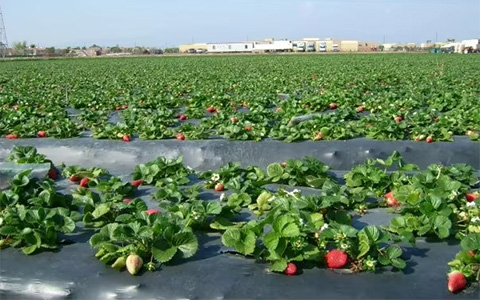
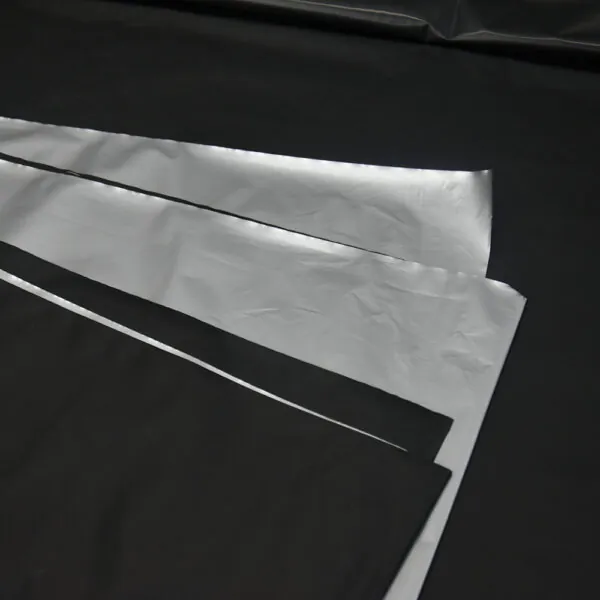
Ultimately, the crop’s biological needs determine the film’s functional requirements. Key considerations are soil temperature modulation, moisture conservation, weed suppression, and reflected light spectra. Fruiting vegetables like tomatoes or strawberries often benefit from red-spectrum reflective films that can influence plant architecture and yield. For leafy greens, a white-on-black film that cools the soil and suppresses weeds might be ideal. We guide clients through this decision tree, linking agronomic goals—such as earlier maturation, reduced herbicide use, or water conservation—to the precise functionality of the greenhouse sheeting and mulch technologies available. This targeted matching ensures the film acts as a tool to meet clear production objectives.
The selection of a mulch film is a systematic process grounded in material science, environmental awareness, and crop physiology. By methodically evaluating these interconnected factors, growers can transform a simple input into a strategic asset for their operation. At HGDN, we provide the technical expertise to navigate this selection, connecting the physical properties of agricultural mulch film and plastic greenhouse film to the practical outcomes required in modern cultivation. The correct choice supports plant health, optimizes inputs, and contributes to a more predictable and productive harvest.