Proper management of used agricultural films is a necessary operational phase with environmental and economic implications. We at HGDN recognize that the removal and disposal process requires methodical planning to maintain site integrity and adhere to waste management protocols. For operations engaged in large scale greenhouse farming, developing a systematic approach to this task can reduce labor costs and material sent to landfill. This outline presents a structured procedure for handling films at the end of their service life.
Pre-Removal Assessment and Film Characterization
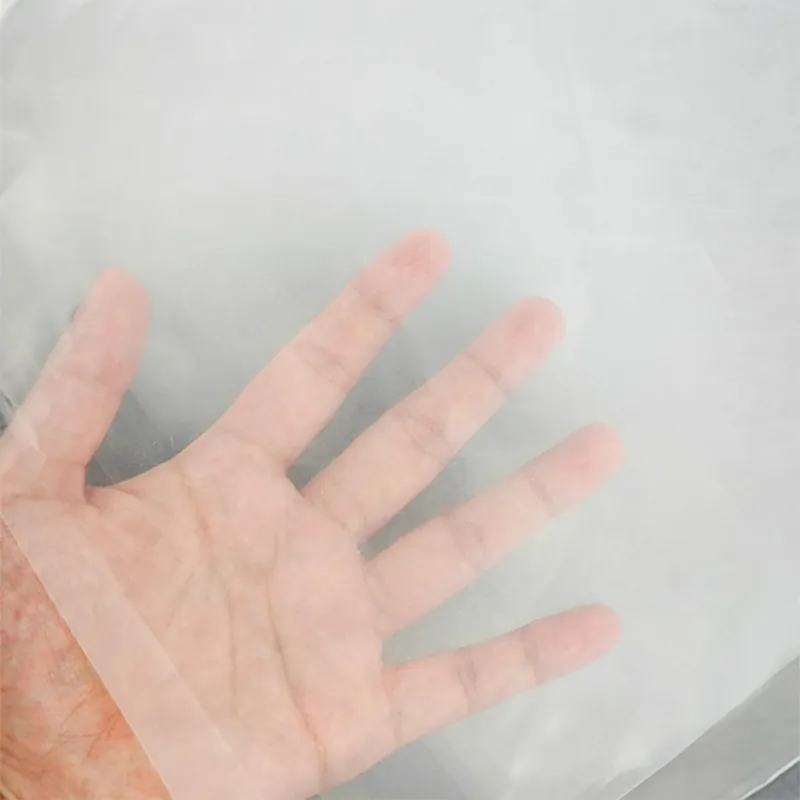
Initial planning determines the appropriate handling method. The first step is identifying the film type, as material composition dictates disposal options. A degraded uv resistant greenhouse plastic sheeting from a super-structure may have different chemical additives and physical strength compared to a thin mulch film. The assessment includes checking for contaminants like soil, plant debris, or chemical residues, as these affect recyclability. Planning also involves scheduling removal during favorable weather conditions to minimize soil disturbance and ensure crew safety.
Systematic Removal Techniques to Minimize Contamination
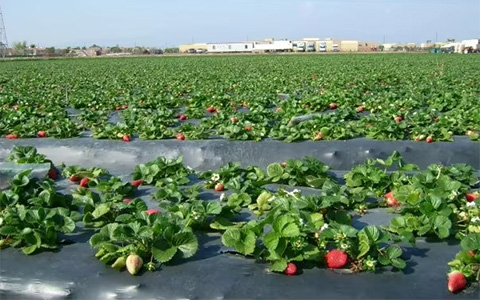
The removal process aims to extract the film efficiently while limiting tare weight and pollution. For overhead films, secure detachment from battens and frames prevents tearing, allowing for larger, more manageable sections. Ground films should be lifted carefully, avoiding excessive soil ingestion. In the context of greenhouse cultivation, rolling or folding films on-site directly after removal can prevent wind dispersal and streamline transportation. Using dedicated tools to separate films from fixtures helps maintain a cleaner material stream, which is critical for subsequent processing or recycling.
Post-Removal Handling and End-of-Life Pathways
Once collected, the compacted film must be stored and transported correctly. Secure, covered storage prevents environmental scattering and waterlogging, which adds weight. The chosen end-of-life pathway—landfill, energy recovery, or recycling—guides preparation. Recycling facilities often require films to be clean and dry, while general waste disposal may have different regulations. For a large scale greenhouse farming enterprise, establishing a consistent relationship with a certified waste handler provides a reliable outlet for this recurring waste stream, turning a logistical task into a managed component of the production cycle.
Implementing a deliberate film removal and disposal protocol closes the material use loop responsibly. It protects the farm environment and can align with broader sustainability objectives. We see this process as an extension of a well-managed growing system. At HGDN, our products, including durable uv resistant greenhouse plastic sheeting, are designed for performance during their lifespan, and we advocate for their responsible retirement. A structured approach to this final stage supports the long-term viability of greenhouse cultivation operations by safeguarding the land and optimizing resource flows from installation to disposal.