For commercial growers, the selection of a primary covering is a critical operational decision. At HGDN, we approach this not as a simple purchase but as an investment in climate control and crop outcome. The correct greenhouse sheeting acts as the membrane of your entire growing environment, managing light, heat, and humidity. This guide outlines a framework for evaluating these essential materials, drawing on principles of polymer science and plant physiology to inform a strategic choice.
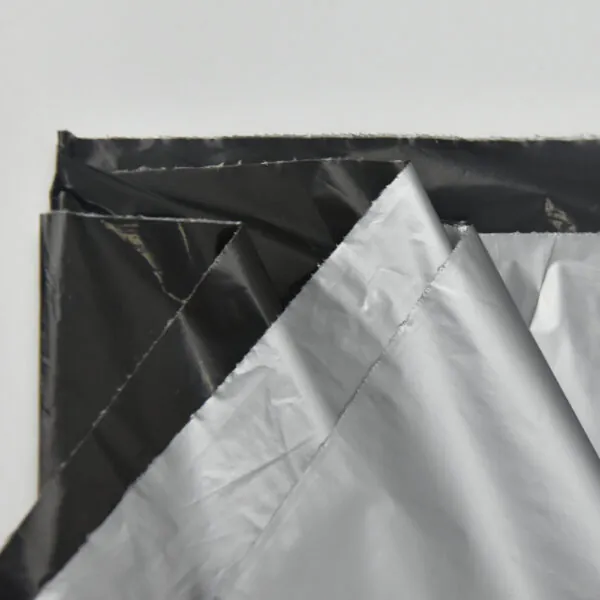
Evaluating Material Composition and Durability
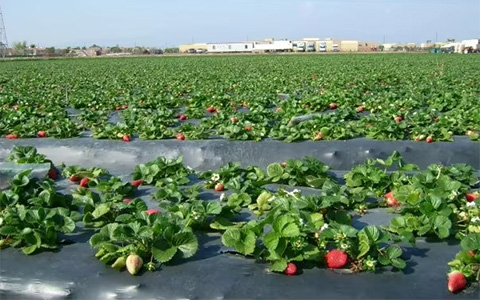
The foundational step involves understanding the film’s base polymer and its additives. Common materials offer different lifespans and structural benefits, with variations in tensile strength and resistance to environmental stress. A parallel consideration is the plastic mulch film used on your beds. The synergy between your overhead covering and your ground-level agricultural mulch film can define the efficiency of your resource management. We focus on formulations designed for longevity, reducing the frequency and cost of replacement for your operation.
Analyzing Light Transmission and Thermal Properties
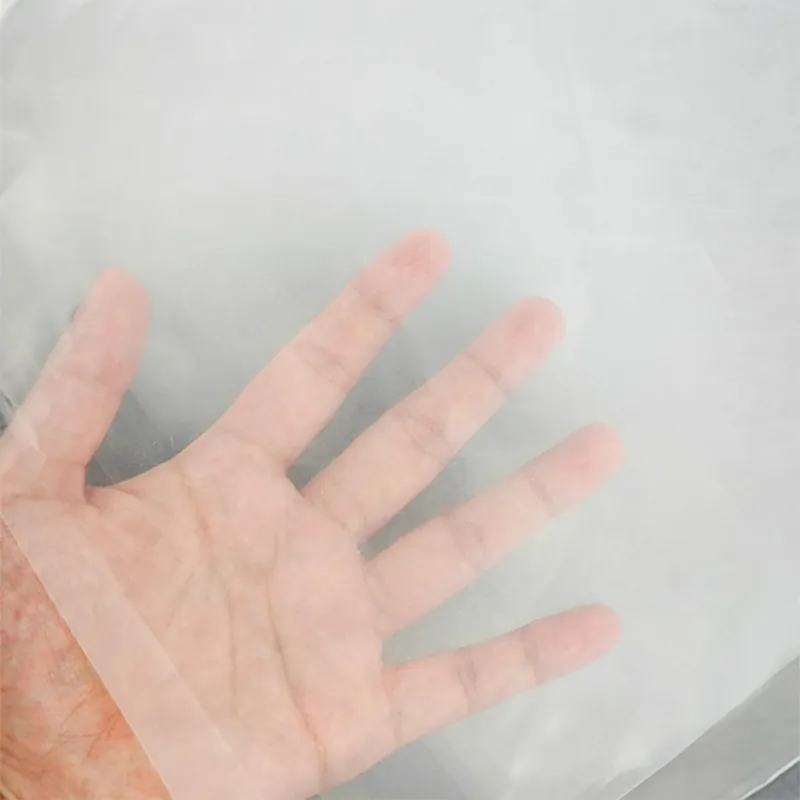
The spectral qualities of your covering directly influence photosynthesis and plant morphology. It is necessary to assess the specific light diffusion and transparency rates suitable for your crops. Furthermore, the infrared radiation management of a film determines its heat retention capability during nocturnal hours. A high-performing greenhouse sheeting must balance these optical and thermal factors to maintain a stable, productive microclimate, just as a thoughtfully selected plastic mulch film moderates root zone temperature.
Considering Operational Practicalities and Specifications
Beyond laboratory metrics, practical factors determine seamless integration into daily workflows. This includes the width options, roll lengths, and the ease of installation and securing the material. The anti-dust and anti-condensation treatments applied to a film affect light levels over time and disease pressure from dripping water. Similarly, the tear resistance and photostability of an agricultural mulch film impact its in-field performance season after season. We provide specifications that align with both mechanized and manual application methods.
Selecting a covering requires a balance of material science, climatic needs, and operational reality. By systematically reviewing composition, optical performance, and practical specifications, growers can make a confident investment. At HGDN, our expertise is rooted in providing these clear, scientific parameters for both greenhouse sheeting and complementary soil management films, supporting your operation’s consistency and productivity with every season.