Comparing black and white mulch films involves analyzing their distinct interactions with solar radiation and the resulting effects on root zone temperature. This decision directly influences crop development timing, water use, and weed pressure. At HGDN, we assess these two options not in isolation, but as components within a complete growing system that includes structures covered with clear greenhouse plastic sheeting. The choice fundamentally hinges on whether your crop requires soil warming or cooling.
Solar Energy Absorption and Soil Thermal Dynamics
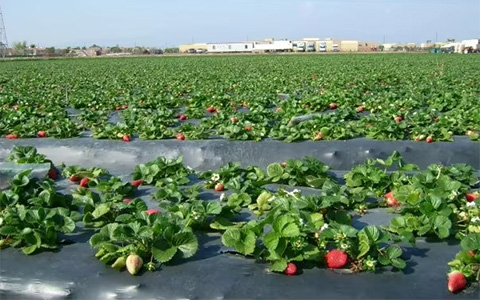
Black mulch film operates primarily through absorption. It captures a broad spectrum of solar energy, converting it to heat that warms the soil beneath. This thermal gain can promote faster root development and earlier maturity for heat-loving crops, particularly in cooler seasons or climates. In contrast, white mulch film functions through reflection. It repels a significant portion of incoming solar radiation, keeping the soil profile cooler. This reflective quality is valuable for protecting root systems from heat stress during summer months or in warmer regions. The thermal management provided by a greenhouse sheet overhead works in concert with this ground-level choice to stabilize the entire growing environment.
Crop-Specific Applications and Secondary Effects
The thermal outcome dictates the suitable crop applications. Black film is often selected for solanaceous crops like tomatoes, peppers, and eggplants, as well as melons, where warm roots stimulate growth and fruit set. Its secondary benefit is superior weed suppression, as it blocks the light necessary for weed germination. White film is advantageous for crops such as lettuce, cabbage, and strawberries during periods of high ambient temperatures, where cool roots prevent bolting and maintain quality. However, its reflective surface does not suppress weeds and may even encourage some pest activity by increasing light levels under the plant canopy. A proficient greenhouse film supplier can provide guidance on these agronomic trade-offs.
System Integration with Overhead Structures
The mulch selection must align with the broader environmental controls of a protected operation. A structure utilizing clear greenhouse plastic sheeting already permits high levels of solar energy to enter, which can elevate air temperatures. In this scenario, pairing with white mulch film can help moderate excessive soil heating. Conversely, in a structure with diffused or shaded covering, black mulch can contribute necessary warmth to the root zone. This integrated approach to climate management—balancing the properties of the greenhouse sheet above with the mulch film below—is a focus of our planning at HGDN. Consulting your greenhouse film supplier for a cohesive plan ensures both layers work toward a consistent thermal goal.
Depending on your goals for modifying soil temperature, you can strategically choose between black and white mulch film. White film is used to cool down temperature-sensitive types, whereas black film is used to heat crops that are grown during the warm season. When combined with your transparent greenhouse plastic sheeting’s light-transmitting qualities, this ground-level decision takes on even more importance. To ensure that the greenhouse sheet and soil cover work in tandem to create ideal and efficient growth conditions from the bottom up, HGDN offers the analysis to match these tools to your particular crops and weather conditions.