Evaluating agricultural inputs requires a focus on long-term system health, not just seasonal yield. The choice between biodegradable and traditional mulch films presents a clear technical dilemma centered on soil impact. As a greenhouse film supplier, HGDN engages with this complex question regularly. We see both films as tools with distinct profiles, and their effect on soil health is not a simple matter of superiority but of specific application and mechanism.
The Soil Interaction Profile of Traditional Films
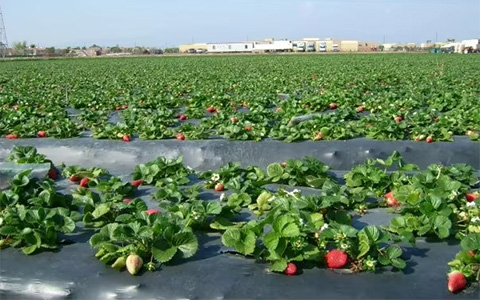
Traditional greenhouse plastic film is defined by its durability and chemical stability. Made from polyolefins like polyethylene, its core function is to provide a persistent, impermeable barrier. For soil, this creates a controlled microclimate: warming the seedbed, conserving moisture, and suppressing weeds effectively throughout the crop cycle. The primary soil health consideration is physical removal. If residue is left post-harvest, fragmentation into microplastics can occur, potentially affecting soil structure and biology. Complete annual removal, while eliminating this risk, adds an operational step and requires a managed waste stream. This durability is precisely why it remains a standard in many long-cycle cultivation systems.
The Decomposition Promise of Biodegradable Films
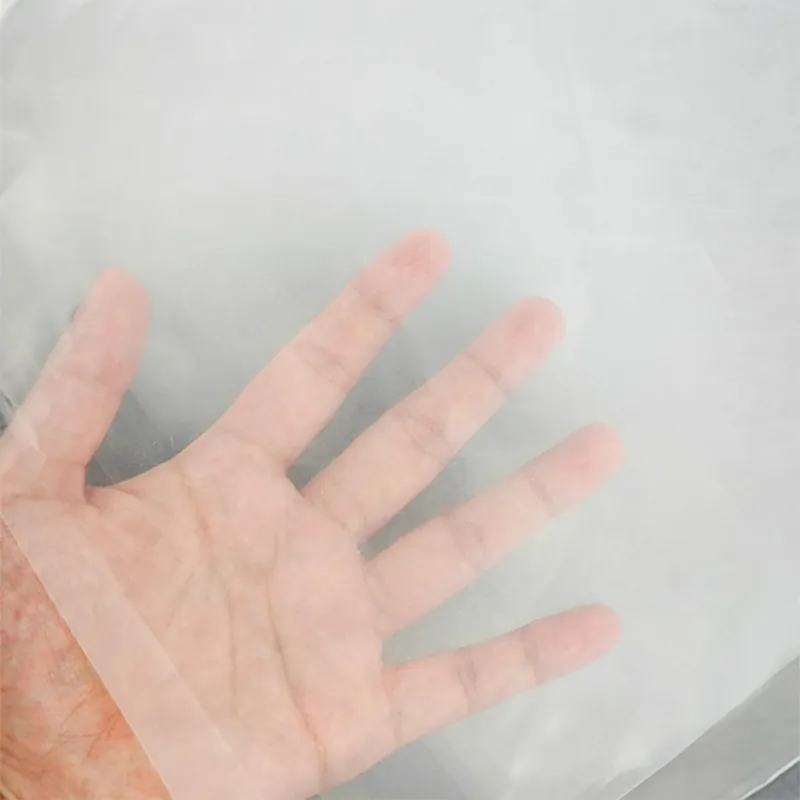
Biodegradable alternatives are engineered from polymers designed to break down via microbial activity after their useful life, incorporating materials like PBAT or PLA. Their direct soil health proposition is the elimination of physical removal and residual plastic waste. In theory, they integrate into the soil organic matter cycle. However, the critical factors are the conditions and timeframe for complete biodegradation, which depend heavily on specific soil temperature, moisture, and microbial activity. Incomplete breakdown under suboptimal conditions can be a concern. Furthermore, the chemical byproducts of their decomposition and their interaction with soil microbiota are areas of ongoing study, making their net effect on soil biology highly condition-dependent.
Practical Considerations for Grower Decision-Making
Selecting between these films involves matching their properties to operational realities. Key factors include crop duration, as a biodegradable film must maintain integrity for the full season; local climate, which governs breakdown rates; and end-of-life protocol. For operations with established plastic recycling streams, traditional film may be a managed solution. For those seeking to simplify harvest and eliminate disposal logistics, biodegradable films offer a functional pathway. A professional greenhouse film supplier should provide clear technical data on thickness, tensile strength during use, and certified degradation timelines under various conditions to inform this choice.
The question of which film is better for soil health lacks a universal answer. Traditional greenhouse film offers predictable performance but necessitates responsible post-use management to avoid physical soil contamination. Biodegradable films address the waste issue directly but introduce variables regarding degradation completeness and biological impact. The better choice is the one whose technical characteristics—durability or decomposition—align with a specific farm’s cropping system, climate, and soil management philosophy. At HGDN, our role as a greenhouse film supplier is to provide both high-performance traditional greenhouse plastic film and rigorously tested biodegradable options, enabling a data-driven selection that prioritizes long-term soil stewardship alongside seasonal productivity.